|
As you may recall, our rural priorities included ensuring Australia has enough GPs by supporting more training places in the RACGP’s Fellowship Support Program, Practice Experience Program, Specialist Program, strengthening Medicare and access to primary care through an increase in Medicare rebates for Level C and Level D GP consultations.
The President, Dr Nicole Higgins, Dr Michael Wright and I spent two days in Canberra during Budget time talking to the politicians about missed opportunities and what is really needed. Had our asks been successful, we would have seen greater incentive to increase the rural workforce, greater patient access to appointments, and improved remuneration for GPs.
Instead, specific measures relevant to general practice announced in the federal Budget included additional funding for Urgent Care Clinics, an extension of the Single Employer Model trials until 31 December 2028, and funding to be used towards implementing the health-related recommendations from the Kruk review. The good news is that we've been assured the next Budget will return the focus to general practice care. In the meantime, we will continue to advocate for rural GPs and I encourage you to continue connecting with colleagues and engaging with your local MPs to discuss your experiences in rural general practice with them.
Some of you may have seen my Facebook post asking for feedback relating to the Pre-Fellowship Program (PFP). We have initial concerns around the requirement for an upfront rural placement and what this means from a safety and quality perspective for those in our rural communities who deserve high quality healthcare and well-supported and highly trained general practitioners. Please continue to reach out to myself and/or the Rural team at rural@racgp.org.au with your thoughts on the PFP, as your stories will be key to our upcoming advocacy efforts regarding this issue.
In more positive news, this month I visited Waikerie, South Australia before heading to the Single Employer Model (SEM) National Conference in Renmark. The conference was a great opportunity to discuss a national approach to SEM and receive an update on the SEM trials to date. We also heard from trainees who had moved out of the SEM due to seeing the financial benefits of a private practice contract. Currently, we do not support the implementation of a national SEM, however we do acknowledge the role that SEMs have as one of the tools to improving workforce issues. We will continue to monitor the SEM trials and I look forward to providing updates in due course.
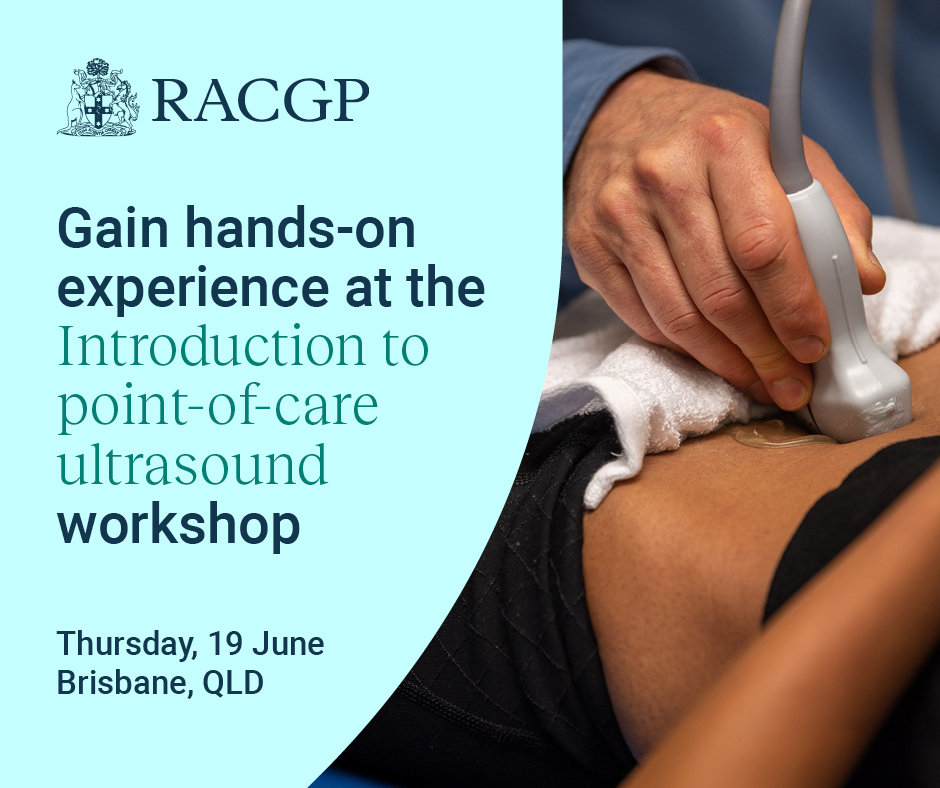
Other members of the Rural team travelled to Mildura to hold a pre-conference Introduction to Point-of-care Ultrasound workshop at the Victorian Rural Health Conference. Deputy Chair Rod Omond also attended the conference and has provided a summary of the event in his Deputy Chairs report. We also had the Tasmanian Rural Health Conference in Devonport, where it was great to see a strong turn out from medical students. Hopefully we will see a few of them come through one of the College’s fellowship pathways in time.
Last but not least, we had the Practice Owners Conference in Cairns which was a great opportunity to network with peers. I chaired a discussion on rural pathways to fellowship outside of AGPT and the College released its inaugural Advocacy Plan, which includes the establishment of a GP Advocate Network. I strongly encourage you to get involved with the GP Advocate Network, as it will really help strengthen our advocacy reach.
A/Prof Michael Clements
Chair, RACGP Rural
|
|
|