Deputy Chairs Report
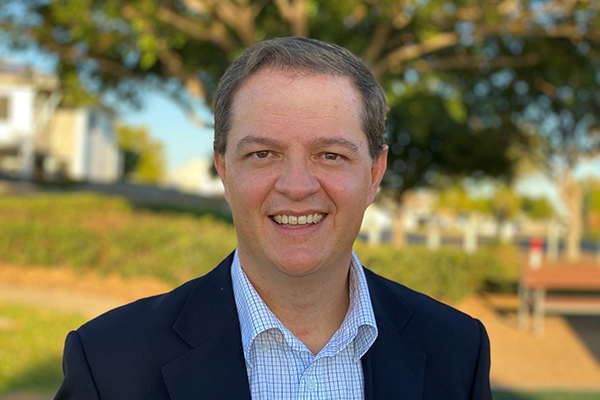
Dr Rod Omond
Since last month’s newsletter, I have represented the Rural Council at the Rural Doctors Association of Tasmania-organised Tasmanian Rural Health Conference. The conference emphasised Registrar training along with innovative models of Primary Care structures, from private practice to cooperation with local area health services. This was alongside clinical topics and practice management workshops. The themes were along the lines of the Victorian Rural Health Conference I summarised last month. The pressing issue alongside clinical ones for rural GPs is workforce. The two conferences both presented options that doctors have developed to address the problem in the local setting, and allowed some speculation on where we could go next.
There is encouragement in Tasmania from the government with, for instance, a Single Employer Model trial underway. Like all such steps, it is a single puzzle piece in a complex system. However, I spoke to Tasmania’s Chief Health Officer, Dr Dinesh Arya, who attended the conference to gather information on options to support rural primary care. Cooperation between rural GPs and government-based structures are critical in allowing appropriate innovation in the rural sector, particularly in encouraging new GPs into rural practice, by training options or with the relocation of Fellows.
On a different topic, council elections are coming up, with the QLD, VIC and NSW/ACT Rural Council representative positions open for election. Also, there are positions in each of the state-based councils. I joined the Rural Council in 2010 as the NT representative. There was no NT rep at the time, and I felt that no change would occur unless the perspectives of rural members, including in the NT, were expressed. While discussions at councils (State or Rural) certainly create no instant results, persistent advocacy by the College really originates at this level. A big part of this is the background work our hard-working staff do in researching and reporting on issues for each council. Advocating for effective change requires understanding the issues adequately. So, consider nominating for a council position in order to assist with this process.
Dr Vicki Mattiazzo
I have been looking into ways to facilitate movement between urban and rural practice. Various models exist around the country which aim to facilitate movement between urban and rural as life circumstances and interests change. Queensland has the Virtual Integrated Practice (VIP) Program and the RACGP had begun developing a Practice-to-Practice program which unfortunately lost traction during COVID. I am keen to see how these programs can help support workforce issues in our rural communities.
Rod has mentioned Council elections. I became involved with RACGP rural out of frustration from not feeling heard as a rural GP. Since becoming involved I have learned a lot about the advocacy done by the College. I encourage anyone who is interested in helping to make change, big or small, to become involved.
|