News
Pain more common in women under 55: Study
It’s hoped the findings help GPs identify risk earlier and give patients ‘a better understanding before it becomes more entrenched’.
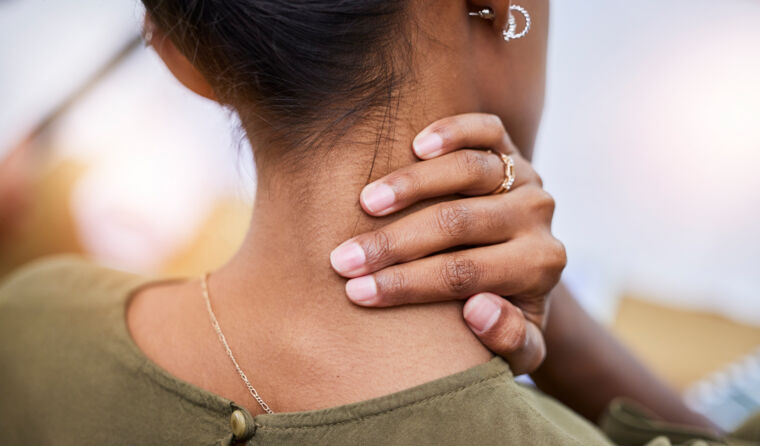 Pain prevalence was consistently higher in women across all 11 anatomical sites analysed in a global study.
From headaches to abdominal pain, all areas of the body are impacted by pain higher among women than men, according to new international research.
The study tracks self-reported pain levels of more than six million people in 118 countries across 35 years from 1990, revealing women report higher levels across all 11 parts of the body examined, and that pain increases fastest before the age of 55 across all body areas for both sexes.
With pain recognised as one of the leading causes of disability worldwide, the study’s authors aim to demonstrate how its burden is distributed across the lifespan and world regions, suggesting that prevention may need to start earlier in life.
And GPs are central to begin this pathway early and providing patients with a better understanding of their pain, according to Dr Adele Stewart, Chair of RACGP Specific Interests Pain Management.
She says this is an important study for GPs, representing ‘another reason’ why a gender-informed approach to pain is important.
‘This study gives us a much clearer picture of how pain is distributed across the lifespan and across different parts of the world,’ she told newsGP.
‘With pain consistently more common in women, and the steepest increases occurring before the age of 55 ... hormonal factors are likely to be part of this picture, with fluctuations in oestrogen and other sex hormones influencing pain sensitivity and pain processing across the menstrual cycle, pregnancy, postpartum and menopause.’
Pain management in general practice needs to extend beyond looking for a damaged or diseased body part, Dr Stewart says, with this approach embedded in GPs’ provision of holistic care.
‘We need to understand pain as a complex, protective experience influenced by biological, psychological and social factors,’ she said.
‘This does not make pain any less real; rather, it gives us more ways to help people.’
Findings from the research show that prevalence of pain ranges from 2% for facial pain to 40% for back pain, and patterns differ by body area. Headaches and abdominal pain peak earlier in life, while back, hip, and knee pain increase with age.
Pain anywhere in the body, as well as joint and back pain, increased more rapidly from the age of 40 in lower-developed settings. More than 18% of global pain burden across anatomical sites was attributable to three modifiable risk factors: smoking, obesity and low income.
However, this varied significantly across regions, with the authors suggesting this indicates factors underlying pain in lower-developed settings ‘remain poorly characterised’.
Meanwhile, Dr Stewart notes that social and economic circumstances can have a ‘profound influence’ on health behaviours, stress, access to care and development and persistence of pain.
‘[For example] adverse childhood experiences can shape how people respond to stress and threat across the lifespan and may be associated with greater vulnerability to persistent pain,’ she said.
‘This is another reason why a compassionate, trauma-informed approach is important, without assuming that past adversity is necessarily the cause of someone’s pain.
In general practice, she says there is an opportunity to address some of these factors much earlier.
‘Supporting people with sleep, physical activity, nutrition, smoking cessation and weight management can all be part of good pain care,’ she said.
‘Equally important is helping people understand and respond to stress. Persistent stress can influence the neuroendocrine, immune and nervous systems and can contribute to the persistence and amplification of pain.
‘Contemporary pain science education also has an important role to play. Helping people understand that pain is real and protective, but does not necessarily tell us how much tissue damage is present, can change the way they relate to their symptoms.
‘Mindfulness and other approaches that help people develop greater awareness of bodily sensations, emotions and stress responses may also have a place within this broader approach.’
The study authors hope their findings provide a clearer framework for defining and comparing pain burden and informing more equitable prevention globally.
Dr Stewart says they reinforce the value of a ‘biopsychosocial and person-centred approach’ to pain in general practice.
‘We have an opportunity not only to treat established pain, but to identify risk earlier, address contributing factors, and give people a better understanding of their pain before protective patterns become more entrenched,’ she said.
Log in below to join the conversation.
complex conditions gender-responsive care pain management women’s health women’s pain
newsGP weekly poll
In the past five years, have you experienced or observed sexism, misogyny, or gender bias from patients towards female or non-binary GPs?