News
Siloed women’s physical and mental health care impacting outcomes
With half of all women experiencing mental health issues, experts warn fragmented healthcare is failing to meet their needs.
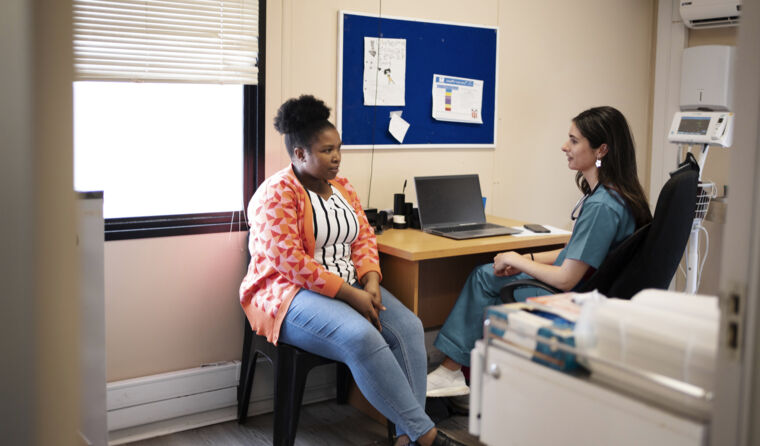 Most women continue to see a GP for mental health support in 2026, with half reporting these visits as ‘very helpful’ but also noting a lack of tailored services.
Fresh findings lay bare the mental health realities for Australian women and back calls for greater integration of physical and mental health and a gender-responsive approach to care.
As Women’s Health Week is underway, the release of the comprehensive Women’s Mental Health Australia report reveals that in 2026, one in two women continue to experience mental health issues, with almost one in four experiencing severe psychological distress.
Recommendations from the report include a move away from treating in siloes and improved wraparound care, with mental health support integrated into routine healthcare, as ‘women’s physical and mental health cannot be treated in isolation’.
Highlighting the connection between women’s physical and mental health, the report reveals the cohort living with female-specific physical health conditions experience significantly greater psychological distress than those without.
Informed by survey responses of 9000 women (including cisgender, transgender and gender-diverse), the 2026 findings point to the need for targeted support through key life stages, and equitable and affordable access to care from professionals who understand ‘the realities women face’.
Associate Professor Magdalena Simonis, GP, women’s health expert and longstanding member of the RACGP Expert Committee – Quality Care, is one of those professionals.
‘From adolescence to late life, at each hormonal transition a woman presents to a health system built around single episodes, not a continuous life story,’ she told newsGP.
‘From teenage years, somatic complaints, headaches, abdominal pain and fatigue often precede and mask the emotional story. This sets up an early pattern of disbelief which means the first experience of not being believed sets the template for how a young woman engages with care for decades.’
Three key recommendations are outlined in the report:
- A commitment to gender-responsive mental healthcare
- Strengthen training, education and gender-responsive capability across the health workforce
- Investment in a nationally accessible, fully funded telehealth pathway through Medicare Mental Health, providing continuity of care with professionals trained in gender-responsive mental health care
It suggests a growing awareness of mental health issues and more women reaching out for support, with 66% experiencing mental health issues seeking help in 2026, up from 57% in 2025.
Women continue to prefer seeking support for their mental health with a GP and mental health professionals. GP visits remain the most common form of support, with 74% choosing a GP in 2025.
They described GP visits (50%) and medication use (54%) as ‘very helpful’. Among women who sought help but did not find it useful, 23% said there were not enough tailored support services specifically for women.
A significant drop in GP visits was noted in 2026, down to 49%, followed by 47% seeking support from a psychologist, 43% or trying medications.
The main barrier for women seeing a GP less is cost (31%), followed by long wait lists, difficulty finding appropriate services, lack of time, embarrassment and fear of judgement. Overall, 32% felt they could manage their mental health on their own, while 29% did not perceive their mental health issues as serious enough to warrant seeking support.
These findings come as
latest MBS data reiterates that female GPs are more likely to provide longer consultations than their male counterparts, with female patients also more likely to use longer consultations than males.
Associate Professor Simonis says all the evidence points to the need for better financial incentives for longer consultations – an ongoing priority of the RACGP.
‘Undifferentiated problems that present to the GP take time,’ she said.
‘The gatekeeper has changed – the underlying problems have not. We need consultation times that allow us to ask about the whole life, not the presenting complaint alone.
‘To treat lived experience as clinical data, track hormonal transitions as a structured part of the record, and hold the line between context and pathology before prescribing.’
Mental health issues currently faced by Australian women remain the same as those reported in 2025: depression (30%), anxiety or generalised anxiety disorder (21%), body image issues (20%), and insomnia or other sleep disorders (16%).
The top reasons behind these are: financial stress/pressures (34%), low self-esteem or confidence (34%), sleep issues (32%), pressures created by own self/being too hard on own self (29%), and ageing (24%).
Women experiencing endometriosis, pregnancy loss, physical birth trauma,
polyendocrine metabolic ovarian syndrome, vaginal conditions and pelvic floor disorders face the most burden.
Meanwhile, Associate Professor Simonis points to ‘added concern’ of increased fragmentation of first points of contact with the health system, such as pharmacy, nurse-led clinics, telehealth services and artificial intelligence.
‘GPs need time to building continuity of care is a system priority, not a happy accident,’ she said.
Log in below to join the conversation.
complex conditions general practice funding longer consults mental health care women’s health Women’s Health Week
newsGP weekly poll
Have you ever found out that a patient has previously failed to disclose their use of GLP-1 medicines to you as their usual GP?