News
GPs urged to help strengthen GLP-1 safety monitoring
Amid claims weight-loss drug side effects are being underreported, one expert says GPs play a crucial role in identifying adverse events.
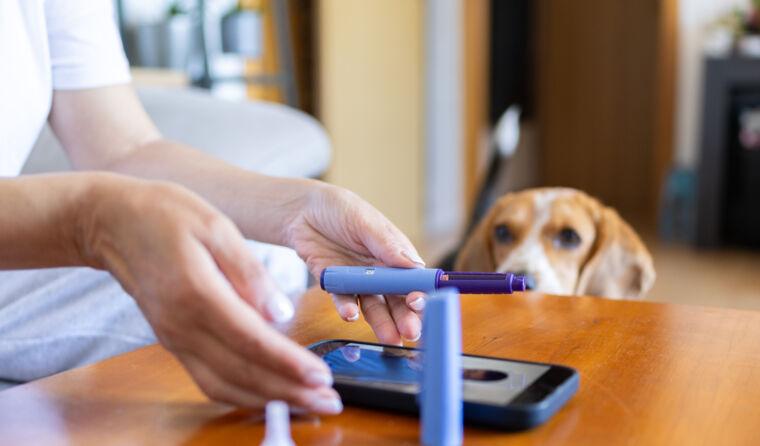 There have been thousands of adverse event reports made for GLP-1 medications since they became available in Australia.
A recent report warns the ‘true scale of weight-loss drug side effects’ is hidden due to a failure to report them to the medicines regulator, but queries remain over whether the GLP-1s are any more likely to be affected than other medications.
Dr Terri-Lynne South, Chair of RACGP Specific Interests Obesity, is a strong advocate of reporting side-effects, and notes the GLP-1 medication class is part of the Black Triangle scheme.
‘GPs need to know what the Black Triangle scheme is, what it’s trying to do, that it’s actually encouraging reporting adverse effects for new medications or medications that have new indications,’ she told newsGP.
‘We’re getting more people on GLP-1 medications and more indications for GLP-1s as well.
‘What’s important is with higher numbers of patients taking the medications, those less frequent, rare adverse effects can be seen as a safety signal.’
In recent months, the Therapeutic Goods Administration (TGA) issued updated product warnings for the medications, saying they could cause a rare but severe eye condition.
A previous update linked one medication to the potential risk of suicidal thoughts, and another was associated with reduced oral contraception effectiveness.
Currently, the Database of Adverse Event Notifications lists 1480 adverse event report cases and 39 deaths associated with semaglutide, with the TGA including the caveat that a listing does not prove a link.
Overall, there have reportedly been almost 3000 adverse reports for the medications, with an estimated half a million Australians now using them.
However, while recent media reporting says potentially dangerous weight-loss drug side effects are going unreported Dr South does not support the view that adverse event reporting is too onerous.
‘We don’t actually know that GLP-1 medications are more underreported than other medications,’ she said.
‘I personally have reported a suspected GLP-1 adverse effect and to be honest I didn’t find it difficult.
‘I did mine online and it was quite easy.’
It comes after a recent study highlighted a lack of awareness and understanding about the Black Triangle Scheme, which is in place for new medications such as GLP-1s.
A survey of more than 400 patients and healthcare professionals, including GPs, found only one in 10 patients and 52% of healthcare professionals knew of the scheme.
However, Dr South believes it has a significant role to play.
‘It’s important – if prescribers don’t know about it, we should, and it’s not just about GLP-1s, it’s about all medications,’ she said.
Dr South believes it is part of a pharmacist’s role to give details of the Black Triangle scheme when dispensing, but says GPs talking to patients about potential side effects is key both when prescribing and during follow-up care.
‘I do mention that it is a medication that’s relatively new, so we would want to know of any concerns,’ she said.
‘And of course, it’s not just a script and leave.
‘Patients are coming back and I’m regularly asking them, “do you think you’re getting any side effects?”.
‘Rather than having a list of known side effects, I’m actually keen to hear if the patient thinks that there’s something else that might be going on.’
A TGA spokesperson told newsGP ‘the presence of a Black Triangle Scheme symbol does not indicate a medicine is unsafe – it simply reflects that the medicine is new or being used in a new way, and therefore there is less real‑world safety data available at the time it enters wider use’.
They said ways GPs can report adverse events are outlined on the TGA website, and said the regulator has ‘robust post-market pharmacovigilance processes for all medicines and vaccines registered in Australia’.
Log in below to join the conversation.
adverse effects GLP-1 TGA
newsGP weekly poll
Have you ever found out that a patient has previously failed to disclose their use of GLP-1 medicines to you as their usual GP?