News
How can unconscious bias shape patient interactions?
On Wednesday, an expert panel will explore how bias can influence care, and what GPs can do to build culturally safe care models.
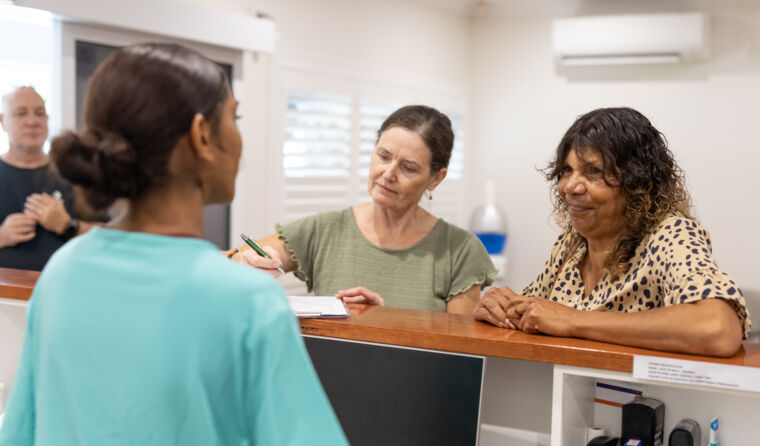 ‘It is helpful to step back, recognise our bias and understand that approaching each patient encounter with respect and dignity is actually the safest way to practice.’
How can biases manifest in healthcare settings? And what can healthcare practitioners do next?
These are questions many GPs may have found themselves asking, but Wakka Wakka man and Stradbroke Island GP Dr Joel Wright is encouraging his colleagues not to let fear of failure deter them from making a genuine commitment to cultural safety.
‘It is human to hold bias and assumptions, and we all carry these into our work. At the systemic level, you’re guided by frameworks, and at an individual level, bias comes from your own culture and working background,’ he said.
‘But it is helpful to step back, recognise our bias and understand that approaching each patient encounter with respect and dignity is actually the safest way to practice.
‘Being honest about your own discomfort and concerns can go a long way with patients, because they understand that you are there trying to help them in the best way you possibly can.’
To help practitioners better understand bias and how to recognise when it is influencing care, the Mental Health Professionals’ Network (MHPN) is holding two ‘What gets in the way of culturally safe and inclusive care?’ webinars on Wednesday.
Dr Wright will sit on a panel of experts, providing practical insights and challenging assumptions to strengthen collaboration across disciplines.
‘In our training, we’re often taught that First Nations patients are at high risk for mental health issues,’ he said.
‘Viewing patients through a high-risk lens can inadvertently shift the focus from their needs and experiences to our own desire to mitigate professional risk.
‘Cultural safety is understanding that not everybody views mental health the same way and that our bias and assumptions might not reflect what is important to the patient.’
The CPD-accredited webinar will be held on Wednesday 23 September, with screenings at both 2.00 pm and 7.00 pm (AEST). It is free to attend.
MHPN Chief Executive Dr Daisy Brooke said the event will showcase how practitioners are working together to provide culturally safe and inclusive care in their communities.
‘The principles of cultural safety and social and emotional wellbeing offer a lot of wisdom to practitioners from all disciplines, working in all different types of communities,’ she said.
‘It’s really helpful for GPs to see how that practice plays out on the ground in multidisciplinary teams.’
Log in below to join the conversation.
Aboriginal and Torres Strait Islander health cultural safety
newsGP weekly poll
Have you ever found out that a patient has previously failed to disclose their use of GLP-1 medicines to you as their usual GP?