News
Experts welcome upward trend of cervical self-collection
By the end of 2023, self-collected HPV samples accounted for 27% of all tests, demonstrating a ‘valuable tool’ to increase uptake.
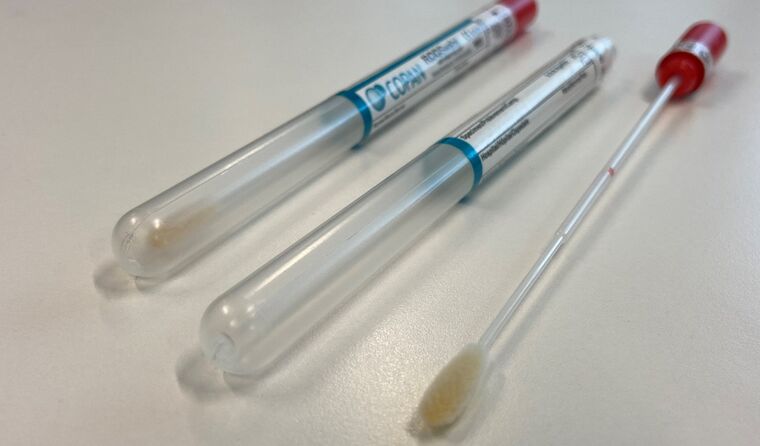 Self-collected samples accounted for 27% of all HPV tests in the fourth quarter of 2023.
Uptake of self-collection for cervical cancer screening has rapidly risen since eligibility expanded almost four years ago, new research confirms.
Data from the National Cervical Screening Program has revealed self-collected samples accounted for just 1.2% of all human papillomavirus (HPV) tests in the second quarter of 2022, but by the end of 2023, after self-collection eligibility expanded, this increased to 26.9%.
Published in The Lancet Public Health, it found uptake was highest (51.9%) among women who were more than 10 years overdue for screening, those living in very remote (53.9%) and disadvantaged areas (29%), and those aged 70–74 years (33.5%).
The study, which used data from women aged 24–74 years enrolled in Australia’s National Cancer Screening Register, found an overall increase in groups of women with ‘historically low screening coverage’, cementing self-collection as a key player in overcoming barriers to cervical screening.
Chair of RACGP Specific Interests Sexual and Reproductive Health, Dr Sara Whitburn, told newsGP its contribution to an increase in overall cervical screening is a ‘big positive’.
‘Self-collection is a good tool, and ... GPs giving people options, being able to support under-screened populations to have screening is a positive,’ she said.
‘In those under-screened populations, self-collection is a really valuable tool to increase uptake in collection.’
In 2017 Australia transitioned to primary HPV testing, with self-collection only available to women aged 30 years and older who were at least two years overdue or had never screened.
The landmark July 2022 expansion of eligibility criteria to screen all eligible women aged 25–74 saw self-collected samples offered as a choice alongside clinician-collected samples to reduce barriers to participation in screening.
The Lancet study evaluated uptake and outcomes following screening since 2017, finding that between December 2017 and June 2023, almost five million women underwent a valid HPV test, with 484,622 testing positive.
Between 1 July 2022 and 30 June 2023 – the first year after self-collection eligibility expanded, 421,511 women were screened and 63,541 tested HPV positive.
HPV-positive results were higher in self-collected samples (16.4%) compared to clinician-collected samples (14.8%), with the authors contributing this difference to characteristics between groups, including women choosing self-collection more likely to be older, under-screened, socioeconomically disadvantaged and living outside major cities.
The Lancet study also found that follow-up is timelier for clinician-collected samples than for self-collected samples, which Dr Whitburn says can be in part due to a patient’s relationship with their doctor.
‘Clinician-collected samples require a sensitive examination – it’s someone who is having their cervical screening done via a speculum,’ she said.
‘There are often people who might be coming back from self-collection to have the follow up liquid-based cytology. So, I would say that because already these people are engaged and coming for an in-person assessment, then they are already engaged in the health system.’
And with the authors calling for better understanding of ‘potential barriers to accessing follow-up and differences between clinical guidelines and practice’, Dr Whitburn says there are ways to improve follow up.
‘Women can fall into the under-screened category for a range of reasons, and often already have barriers to follow up, whether that be access, stigma, or health knowledge and promotion,’ she said.
‘Thinking about the systemic barriers to why someone might not come back to have follow up, and what led to them being under screened is really important.
‘And thinking about that from a systems point of view will help with follow up.
‘So, for GPs, robust recall, good pre-test counselling and discussing what will occur after the test and how you can support people to follow up their tests would be ways of improving that follow up.’
The Lancet authors conclude that while self-collection ‘cannot be considered in isolation’ given it is only a component of screening programs, their study demonstrates that offering it for HPV tests is supporting improved equity in healthcare access and towards the elimination of cervical cancer.
Together with the national HPV vaccination program, cervical self-collection has been welcomed among health experts as a ‘game-changer’ in the elimination of cervical cancer, with Australia world-leading on meeting 2035 targets.
In April 2025, updates to the Australian Cervical Cancer Screening Guidelines included self-collection options to better support healthcare providers and patients.
Log in below to join the conversation.
cancer screening cervical cancer HPV self-collection under-screened populations women’s health
newsGP weekly poll
Have you ever claimed an exemption for a patient in a natural disaster affected area under the 12-month relationship rule for MBS telehealth?