News
GPs urged to prescribe a daily dose of nature
From a lunchtime stroll to planting native trees, a new RACGP-backed practical guide recommends prescribing time outdoors for patients.
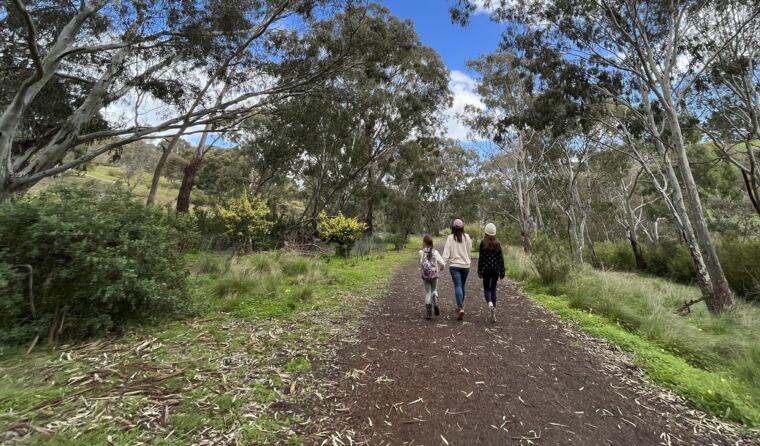 A recent evaluation found spending time in nature is ‘highly effective’ at improving health for young people.
For GPs, writing prescriptions is nothing new, but a fresh RACGP-recognised resource is calling on doctors to add a daily dose of nature to patients’ treatment plans.
The Nature Dose guide provides GPs with advice on how to prescribe nature in patients’ routine care, recommending activities such as noticing nature with all senses, connecting with body, mind, imagination and memory, and caring about the natural world and sustainability.
Developed by the People and Parks Foundation in collaboration with the RACGP, the resource defines a Nature Dose as spending at least 120 minutes per week connecting with nature.
It is designed to be a practical tool for GPs to use in their everyday consultations, particularly when discussing preventive health, mental wellbeing and lifestyle behaviours.
Dr Nicole Sleeman, Chair of RACGP Specific Interests Climate and Environmental Medicine, said the guidance aims to help GPs introduce the concept of the Nature Dose, and encourage patients to build regular nature exposure into their lives.
‘This could be as simple as walking in a local park, gardening or spending time in a green space – helping patients identify achievable ways to make nature connection part of their everyday lives,’ she told newsGP.
‘As GPs, we also need to recognise that human health is intrinsically linked to the health of the natural environment, and that caring for nature is ultimately part of caring for our patients, communities and future generations.’
A recent evaluation of a six-week People and Parks Foundation program, in which health practitioners gave patients prescriptions for nature-based activities, found spending time in nature is ‘highly effective’ at improving health for young people.
The University of Melbourne study analysed 62 young Australians living with mild to moderate mental illness. The cohort was split into small groups and spent two hours a week completing various activities – including yoga, nature journaling, photography, tree planting and bushwalks.
Ultimately, the participants’ average wellbeing score increased from 5.7 out of 10 at the start of the program, to 6.4 by its completion.
Professor Dianne Vella-Brodrick said the research also found the program’s mental health benefits were even greater and longer lasting for participants who completed it twice.
‘By the end of the six weeks, participants also reported lower levels of psychological distress and loneliness,’ she said.
‘The program’s social component led to participants reporting a 10% increase in their sense of community connection post-trial.’
The new Nature Dose resource is ready for GPs to use to support patients, specifically recommending activities such as pausing to listen to wind in the trees, taking a lunchtime stroll under leafy streets, picking up litter, or taking care not to damage nature in parks.
Dr Sleeman adds that the resource having the RACGP’s backing makes it a ‘credible and relevant approach within Australian general practice’.
‘RACGP endorsement is important because it recognises the growing evidence for nature’s contribution to health,’ she said.
‘It is also important to acknowledge that Aboriginal and Torres Strait Islander peoples have understood the deep connection between health, Country and nature for tens of thousands of years as part of holistic understandings of health and wellbeing.
‘In many ways, Western scientific research is now building an evidence base for what First Nations peoples have long known, and I see this recognition as an important step towards a broader, more holistic understanding of health within general practice.’
Log in below to join the conversation.
environmental medicine mental wellbeing Nature Dose young people’s health
newsGP weekly poll
In the past five years, have you experienced or observed sexism, misogyny, or gender bias from patients towards female or non-binary GPs?