News
Study reinforces safety of paracetamol when pregnant
A Lancet review has debunked Donald Trump’s claims, finding no link between taking the drug when pregnant and autism.
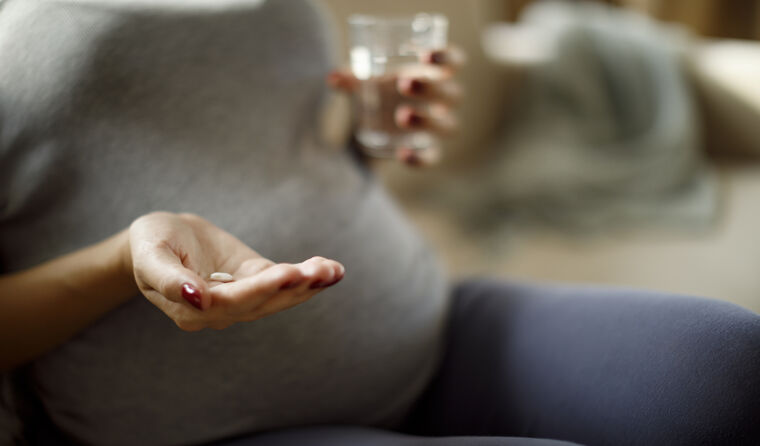 A review in The Lancet supports the safety of paracetamol ‘when used appropriately during pregnancy’.
Last year, United States President Donald Trump attracted worldwide headlines when he claimed paracetamol use in pregnancy leads to an increased risk of autism in children.
But a major new review has added to the weight of evidence casting doubt on the link.
The systematic review and meta-analysis published this month in The Lancet Obstetrics, Gynaecology, & Women’s Health found no association between taking paracetamol when pregnant and autism spectrum disorder (ASD), attention deficit hyperactivity disorder (ADHD) or intellectual disability in children.
The 43 studies in the systematic review and 17 in the meta-analysis prioritised sibling-comparison studies and those with longer-term follow-ups, while excluding research with a high risk of bias.
‘The study clarifies that previously reported associations in conventional observational studies are likely to reflect residual confounding from maternal illness, fever, genetic susceptibility, or environmental factors rather than a causal effect of paracetamol,’ its authors wrote.
‘Avoiding paracetamol based on inconclusive or biased evidence might increase the risk of maternal fever or untreated pain, both of which can harm pregnancy outcomes.
‘Future research should focus on improving exposure measurement, standardising outcome definitions, and integrating mechanistic and family-based designs to clarify any residual uncertainties.’
They also said the findings ‘support the safety of paracetamol when used appropriately during pregnancy’.
Alex Polyakov, an obstetrician, gynaecologist, fertility specialist, and Clinical Associate Professor at the University of Melbourne, said the study offers ‘timely and methodologically rigorous reassurance’.
‘Paracetamol has had a central role in obstetric practice for decades because it has consistently demonstrated the most favourable balance between maternal benefit and foetal safety for the management of pain and fever in pregnancy,’ he said.
He notes the public debate had caused ‘understandable anxiety’ which had been driven by ‘selective interpretation of observational data’.
‘By prioritising sibling-comparison designs and studies at low risk of bias, the authors appropriately address the central challenge of confounding by indication, familial genetics, and shared environmental factors that have plagued earlier analyses,’ Associate Professor Polyakov said.
‘When these sources of bias are addressed, prenatal paracetamol exposure is not associated with an increased risk of ASD, ADHD, or intellectual disability, with pooled estimates that are not only null but sufficiently precise to exclude clinically meaningful harm.’
In September, the White House cited several studies suggesting a link between paracetamol during pregnancy and the chances of children being diagnosed with ASD or ADHD.
Many health organisations strongly criticised the claim, with the Royal Australian and New Zealand College of Obstetricians and Gynaecologists among those raising serious doubts about its scientific basis.
Some GPs were bracing for a surge in patient queries following the US President’s remarks.
However, in a survey run two weeks afterwards, more than three-quarters of newsGP readers reported that patients had not raised a single concern.
Log in below to join the conversation.
autism Donald Trump paracetamol pregnant
newsGP weekly poll
Have you ever reported incorrect Medicare billing or suspected fraud to DoHDA?